Láti ìbẹ̀rẹ̀ pẹ̀pẹ̀, ọ̀kan gbòógì nínú ìdí tí a fi dá ÀTẸLẸWỌ sílẹ̀ ní ọdún 2017 ni títẹ ìwé jáde fún àwọn ohùn (òǹkọ̀wé èdè Yorùbá) tuntun tí ó rinlẹ̀. Ààyè tí kò tó, kí ó ṣẹ́kù fún àwọn iṣẹ́ lítírésọ̀ ní èdè Yorùbá ló gún wá ní kẹ́ṣẹ́ láti jáde, a sì tún ní ìgbàgbọ́ tí ó lágbára pé ọjọ́ọ̀la èdè Yorùbá rọ̀ lé ojúlówó ìyànjú láti ṣe àwárí, ṣe àkọsílẹ̀ àti àtẹ̀jáde fún àwọn ọ̀ǹkọ̀wé èdè Yorùbá.
Ìgbìyànjú wa akọ́kọ́ nínú iṣẹ́ tí a ní ìgbàgbọ́ nínú rẹ̀ yìí jáde láti ara àtẹ̀jáde wa tí a pè ní ÀTẸLẸWỌ PÉLÉBÉ, èyí tí ó jẹ́ àkójọpọ̀ ewì àti àwọn ìtàn kéé-kèè-kèé láti ọwọ́ àwọn òǹkọ̀wé tuntun nínú títẹ àti kíkọ èdè Yorùbá. Ọ̀gbẹ́ni Kọ́la Túbọ̀sún ni ó kọ ọ̀rọ̀ ìfihàn ìwé náà nígbàtí Ọjọ̀gbọ́n Moyọ̀ Òkédìji sì kọ ọ̀rọ̀ ìṣàájú. Ìgbẹ́kẹ̀lé àwọn méjéèjì nínú àfojúsùn wa sì di ọ̀kan wa mú ṣinṣin. Láìpẹ́, a ṣe ìfilọ́lẹ̀ www.atelewo.org, èyí tí ó jẹ́ ìwé ìròhìn lítírésọ̀ Yorùbá àkọ́kọ́ lórí ayélujára. Láti ọdún mẹ́jọ ṣẹ́yìn tí a ti ṣẹ èyí, ojú òpó yìí ti fi àyè sílẹ̀ fún àwọn òǹkọ̀wé láti kááàkiri àgbáyé láti tẹ àtẹ̀jádé síta àti láti ní ìbáṣepò pẹ̀lú litirésọ̀ èdè Yorùbá ní ipò tí ó wà àtí bí yóò tún ṣẹ máa ní ìdàgbàsókè. Kò sí ojúṣàájú níbẹ̀, gbogbo iṣẹ́ ní èdè Yorùbá là ń gbà láì ro tí ọjọ́ orí òǹkọ̀wé tàbí ọ̀ná tí wọ́n gbà kọ iṣẹ́ náà.
Ní ọdún 2020, a tẹ̀ síwájú nínú ìrìnàjò wa nígbà tí a gbé Ìdíje Ẹbùn ÀTẸLẸWỌ fún litirẹ́sọ̀ ní èdè Yorùbá kalẹ̀. Láàrin ọdún márùn-ún, ìdíje náà ti gba àgbàwọlé nínú ewì, iṣẹ́ ọlọ́rọ̀-geere, iṣẹ́ eré-oníṣe àti aáyan ògbufọ̀ tó lé ní ọ̀gọ́rùn-ún ní iye. Àgbàwọlé kọ̀ọ̀kan fi hàn gbangba pé ọ̀pọ̀ ènìyàn sì ní ìgboyà àti ìgbàgbọ́ nínú lítírésọ̀ èdè Yorùbá, tí wọ́n sì ṣetàn láti ṣiṣẹ́ kín-in lẹ́yìn. Àmọ̀ bí a bá ta á, a á tọ̀ọ́ni nítorí bí a bá ta á,tí a ò tọ̀ọ́, a dí ẹran onídin ni. Bí a bá ń pèsè ẹ̀bùn nìkan fún àwọn tí wọ́n borí nínú ìdíje yìí, tí àwọn iṣẹ́ yìí ò sì jáde sí orí igbá, ilé ìwé,yàrá ìkẹ́kọ̀ọ́ àti gbogbo ibi tí wọ́n ti lè ríi kà, ẹ̀bùn náà ò ní ìtumọ̀ tó péye. Bótilẹ̀ jẹ́ pé bí ọwọ́ eku wa ṣe tó ni a ṣe fi ń bọ́jú, síbẹ̀ a ò jẹ́ kí ìrẹ̀wẹ̀sì bá wa ni a ṣe ń wá ọ̀nà fún àwọn ọ̀ǹkọ̀wé tuntun yìí, kii wọ́n má parẹ́sí ibi ìkéde àti ayẹyẹ nìkan.
Nínú ìlànà yìí ni a ṣe gbárùkù ti Toyosi Fashola tí ó tẹ iwé Àbẹ̀ní jáde, iwé eré oniṣe tí ó jẹ́ ọ̀kan lára àwọn àgbàwọlé tí ó jáwé olúborí ní ọdún kejì tí a bẹ̀rẹ̀ ìdíje ẹ̀bùn yìí. Èyí ti fi hàn wá pé ìwé títẹ̀ jáde gbọdọ̀ wà ní oókan àyà wa, láì ro gbogbo ìṣòro tí a ò báà kọjú.
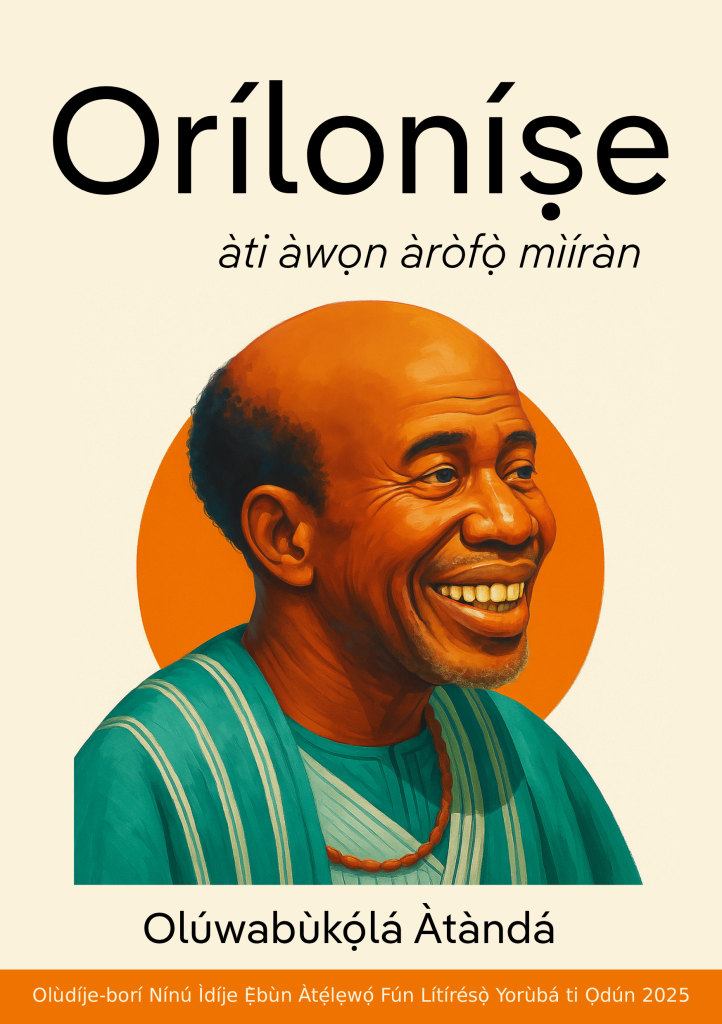
Oríloníṣe jẹ́ àmì pàtàkì fún wa ní ÀTẸLẸWỌ. Ìwé yìí jẹ́ àkọ́já ewé wa tó dáńtọ́ nínú iṣẹ́ títẹ̀ ìwé jáde, ó sì ní ìtumọ̀ pàtàkí pé ó borí nínú ìdíje ẹlẹ́ẹ̀karùn-ún irú ẹ̀ fún Ìdíje Ẹbùn ÀTẸLẸWỌ fún litirẹ́sọ̀ èdè Yorùbá. Inúu wá dùn,oríi wá wú, ara wá sì yá gágá láti gbé ìgbésẹ̀ yìí, pàápàá jùlọ pẹ̀lú iṣẹ́ yìí tí ó ṣe àfihàn ìjìnlẹ̀ ẹwà èdè Yorùbá àti ìrètí pé ààyè wà fún ọ̀ǹkọ̀wé tuntun nínú lítírésọ̀ èdè Yorùbá. Ìrètí wa ni wípé àtẹ̀jáde yìí kò ní jẹ́ aládàwáà, àmọ́ yóò jẹ́ èyí tí á tún bùkún ẹwà litirésọ̀ èdè Yorùbá tí ń fi ojoojúmọ́ lé-ke-n-kà.
Ọpẹ́ olóore wa, à dáà dá tán ni, a dúpẹ́ púpọ̀ lọ́wọ́ Ọ̀gbẹ́ni Ọládélé Onílé-Ere torí bí wọ́n ṣe dúró ti Ẹbùn ÀTẸLẸWỌ gbọingbọin láti ọdún bíi mẹ́rin sẹ́yìn wá. Ní àsìkò tí irú àdúrótì báyìí ṣọ̀wọ́n, àgbẹ́kẹ̀lé wọn àti ipa wọn fún ìdàgbàsókè àti ìdúró ṣinṣin èdè Yorùbá àti litirésọ̀ Yorùbá jẹ́ ẹ̀bùn kan gbòógì fún ìran yìí. Bẹ́ẹ̀ ni a fi àkókò yìí dúpẹ́ lọ́wọ́ Ọ̀jọ̀gbọ́n Adélékè Adéẹ̀kọ̀ fún ìfẹ́, ìtọ́sọ́nà àti ádúrótì gbogbo ìgbà wọn fún àwọn iṣẹ́wa láti ìbẹ̀rẹ̀ pẹ̀pẹ̀. Fún ọ̀pọ̀lọpọ̀ iṣẹ́ wa, àwọn ni onílù tí ń lùlù fún ìròmì wa tó ń jó lójú omi. A ò ṣàì dúpẹ́ lọ́wọ́ Ọgbẹ́ni Oyè Ọlátóyè fún ìgbàgbó wọn àti àtìlẹyìn wọn fún ÀTẸLẸWỌ.
Síbẹ̀, a tún bọ̀ fi ẹ̀mi ìmore hàn sí Ọgbẹ́ni Ayọ̀ Adams, Ọmọ̀wé Gabriel Bámgbóṣé, Ọmọ̀wé Tosin Gbogi, Bàbá Odòlayé Àrẹ̀mú, Ọ̀jọ̀gbọ́n Àrìnpé Adéjùmọ̀, Túndé Láwuyì-Ògúnníran, Olóyè Túndé Ọdúnladé, Olóyè Bánjọ Akinlabí, Bàbá Ọládàpọ̀ Ọlátúbọ̀sún, Ọmọ̀wé Ṣeun Williams, Ọgbẹ́ni Kọ́lá Túbọ̀sún, Ọ̀jọ̀gbọ́n Moyọ̀ Òkédìji, Amos Adéjìmí, Khadeejah Kọ́lápọ̀, Àánúolúwapọ̀ Olúyìdé, John Oluwadero, Azeezat Adekanmbi, Salman Oluokun, Fatọ́ba Ọnálà, Àròjinlẹ̀, Tawakalit Kareem, Màmá Fọlákẹ́ Àrẹ̀mú, Olúwabùkúnmi Awósùsì, Adéjọkẹ́ Ẹwà-Èdè fún àdúrótì àti ìsọ̀kan wọn àti àwọn ọ̀pọ̀ ènìyàn tí a ò le dárúko tán tí wọ́n dúró tìwá ní ọ̀nà kan àbí ìkejì.Bí ò bá sí igi tiyín lẹ́yìn ọgbà wa, wíwó ni ò bá ti wó.
Bí a ṣe ń fi iwé Oríloníṣe lé àwọn òǹkàwé lọ́wọ́, a ṣẹ bẹ́ẹ̀ pẹ̀lú ìrètí. Ìrètí pé iwé yìí á jẹ aṣínà fún ìtají tuntun nínú litirésọ̀ Yorùbá, àti pe yóò jẹ́ àkọ́kọ́ nínú ogúnlọ́gò iwé tí ÀTẸLẸWỌ yóò tẹ̀ jáde ní tí ọjọ́bá sì ń jẹ́ọjọ́,tí ìgbà ń jẹ́ ìgbà. Oríloníṣe rán wa létí pé àkúnlẹ̀yàn nìkan ni aṣojú iṣẹ́ orí rán wa. Iyì ńlá ni fún wa láti fi èyí ṣe òkèlè àkọ́bù wa nínú iṣẹ́atẹ̀wéjáde pẹ̀lú orúkọ tí ó wà ní ìbámu pẹ̀lú ìgbàgbọ́wa.
Gbogbo àṣìṣè yòówù tí ẹ bá ṣe alábàápàdé nínú ìwé yìí jẹ́ tiwa gẹ́gẹ́ bíi atẹ̀wétà.Bí a ti sọ,èyí ni igi àkọ́ṣẹ́wa,ẹ foríjìn wá, kí ẹ sì bá wa fi ọ̀pọ̀lọpọ̀ ṣùúrù lòó bí àwa náà ṣe ń tẹ̀ síwájú láti kọ́ẹ̀kọ́,dàgbà àti gbìyànjú láti túnbọ̀ máa ṣe dáradára síi.
Ibrahim Òrẹ́dọlá
Ìbàdàn
Ọṣù Erénà, Ọdún 2026
Oríloníṣe: Notes from the Publisher
From the very beginning, publishing new and bold voices has been central to why ÀTẸ́LẸWỌ́ was founded in 2017. We emerged from a deep concern about the shrinking spaces for Yorùbá literary expression and a strong conviction that the future of the language depends on deliberate efforts to nurture, document, and publish contemporary writers who think, dream, and create in Yorùbá.
Our earliest attempt at this mission came through the publication of ÀTẸ́LẸWỌ́ Pélébé, a collection of short stories and poems that brought together emerging literary voices. That work was introduced by Kọ́lá Túbọ̀sún and graciously foreworded by Prof. Mọ́yọ̀ Okẹ́díjì, whose confidence in our vision strengthened our resolve. Shortly after, we launched what remains the first ever online Yorùbá literary magazine, hosted at www.atelewo.org. For the past eight years, this platform has consistently provided space for writers across generations, geographies, and stylistic traditions to publish and engage with Yorùbá literature in its living, evolving form.
In 2020, we deepened this commitment with the establishment of the ÀTẸ́LẸWỌ́ Prize for Yorùbá Literature. In five years, the Prize has received well over one hundred manuscript submissions across poetry, prose, drama, and translation. Each submission represents courage, labour, and belief in the future of Yorùbá writing. Yet, as we have come to realise, celebrating excellence through prizes alone is not enough. A literary prize loses part of its meaning if the winning works never find their way onto bookshelves, classrooms, and reading circles. While limited by resources, we have continued to push against this gap, exploring ways to ensure that these voices do not end at announcements and ceremonies.
It was in this spirit that we passionately supported Toyosi Fashola in self publishing Àbẹ́ní, her drama manuscript and one of the outstanding winning works from the second edition of the Prize. That experience reaffirmed to us that publishing must remain at the heart of our mission, no matter the challenges.
Orílọ́nísẹ́ marks a significant turning point for ÀTẸ́LẸWỌ́. This book is our first full fledged publishing effort and it carries special meaning as the winning manuscript of the fifth anniversary edition of the ÀTẸ́LẸWỌ́ Prize for Yorùbá Literature. We are proud to finally take this step and to do so with a work that reflects both the depth of Yorùbá thought and the promise of a new generation of writers. We hope this publication will not only stand as an individual achievement but also contribute meaningfully to the ever evolving landscape of Yorùbá literature.
We extend our deepest appreciation to Mr. Oládélé Onílé-Ẹrẹ̀ for his unwavering support of the ÀTẸ́LẸWỌ́ Prize over the years. In a time when such commitment is rare, his dedication to the growth and sustainability of Yorùbá language and literature stands as a gift to this generation. We are equally grateful to Prof. Adélékè Adẹ́ẹ̀kò for his love, guidance, and persistent support of our work from the very beginning. Many of our milestones bear the imprint of his rich counsel and tireless mentorship. Our gratitude also goes to Mr. Oyè Ọlátóyè for his continued belief in and support for ÀTẸ́LẸWỌ́.
We further acknowledge and appreciate the support, encouragement, and solidarity of Ayọ̀ Adams, Dr. Gabriel Bámgbóṣé, Dr. Tosin Gbogi, Bàbá Odòlayé Àrẹ̀mú, Prof. Àrìnpé Adéjùmọ̀, Túndé Láwuyì-Ògúnníran, Chief Túndé Ọdúnladé, Chief Bánjọ Akinlabí, Chief Ọládàpọ̀ Ọlátúbọ̀sún, Dr. Ṣeun Williams, Kọ́lá Túbọ̀sún, Prof. Moyọ̀ Òkédìji, Amos Adéjìmí, Khadeejah Kọ́lápọ̀, Àánúolúwapọ̀ Olúyìdé, Dr. John Oluwadero, Azeezat Adékànḿbí, Salman Olúòkun, Fatọ́ba Ọnálà, Àròjinlẹ̀, Tawakalit Kareem, Màmá Fọlákẹ́ Àrẹ̀mú, Olúwabùkúnmi Awósùsì, Adéjọkẹ́ Ẹwà-Èdè, and many others who have stood with us in different ways. Without this community of support, this project would not have been possible.
As we place Orílọ́nísẹ́ into the hands of readers, we do so with hope. Hope that this book becomes a doorway to a renewed awakening in Yorùbá literature, and that it will be the first of hundreds, even thousands, of works that ÀTẸ́LẸWỌ́ will publish in the years ahead. Orílọ́nísẹ́ reminds us that only destiny is the custodian of purpose, and we are honoured to begin this publishing journey with a work so aptly named.
Any errors found in this book rest entirely with us as publishers. This is our first attempt, and we ask for your patience and forgiveness as we continue to learn, grow, and strive to do better.
Ibrahim Òrẹ́dọlá
Ìbàdàn
March 2026